Bezos' slate auto truck: a spartan electric pickup that's remarkably.correct
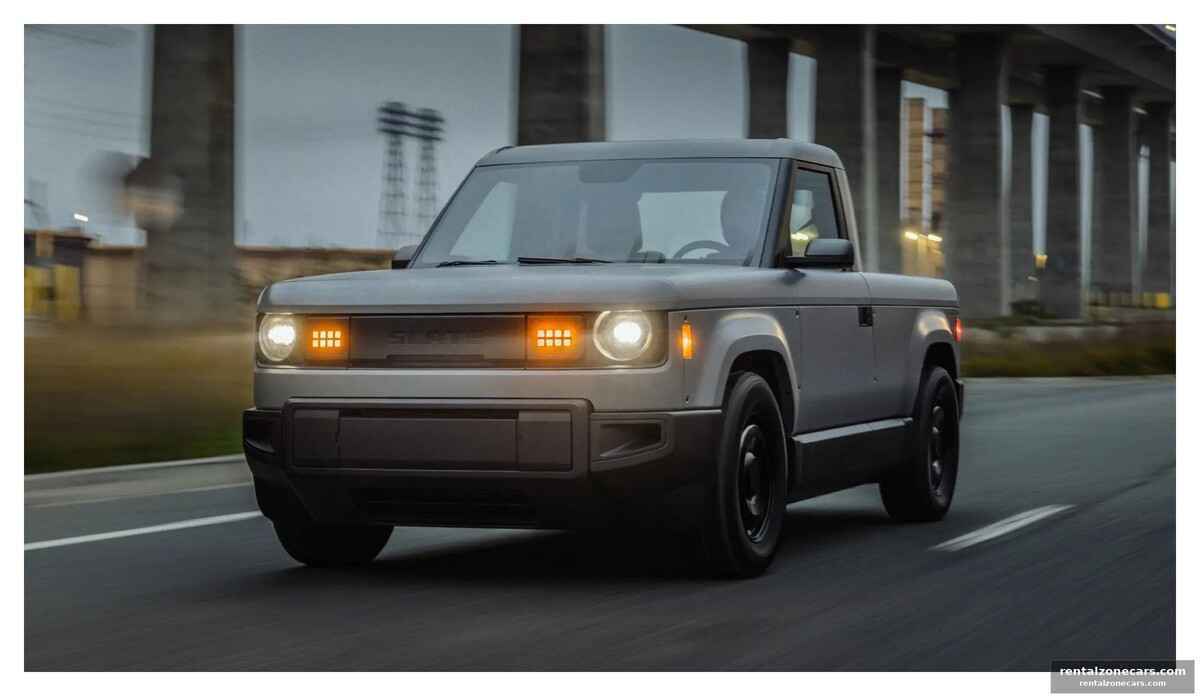
Let’s not be fooled by its plastic shell and wheels – this isolated plastic box is a car. It’s the Slate Auto Truck, the eagerly anticipated affordable electric pickup backed by billionaire box delivery magnate Jeff Bezos, and it’s as stripped-down as its name suggests. This particular model is a prototype, and we were eager to climb behind the wheel to see if it lived up to the hype. Remember the Slate Auto debut? It sparked a frenzy announcing its flagship vehicle would be a basic, competitively priced electric pickup, selling nearly all options – standard or not – as separate add-ons.
A bare-bones beginning
For a cool $24,950 (approximately $21,687), you get exactly what you see in the photos: the ‘Blank Slate’ edition of this electric vehicle. It boasts rear-wheel drive, 181 horsepower, a 65 kWh battery offering an estimated 330 miles of range, and a top speed of 145 mph. Exciting? Not exactly. It’s fair to say it doesn’t exactly scream performance. But, we were nonetheless keen to get behind the wheel of something so new and potentially transformative, assuming Slate can pull it off.
While still a prototype and therefore subject to various fit-and-finish quirks, it’s immediately apparent that this vehicle is a far cry from the production Slate Truck base model. Aside from some interior panels that rattled noticeably over bumpy roads, there wasn’t much to fault. The Slate felt robust and completely assembled, albeit with a decidedly utilitarian aesthetic – resembling a disassembled model kit rather than a fully realized vehicle.
Minimalist interior, maximum diy
In its standard two-seat cab configuration, the interior is spacious enough for two people and perhaps a backpack or briefcase, although the front trunk will be the preferred storage solution. For our test unit, Slate included an internal Bluetooth audio system – and, unsurprisingly, there was little else: just a couple of controls and a USB-C port. No touchscreen to display song lists, so those yearning for the glory days of graphically-rich infotainment systems will need to get creative.
The Slate is essentially a blank canvas, a testament to the DIY spirit. It’s a vehicle begging for customization, a project for those with big ideas and the necessary tools. How does it actually drive? Surprisingly well. The truck's single motor delivers enough punch for city driving, offering a noticeable surge of power for overtaking or merging onto the highway. Hitting 145 mph is achievable, though it’s not designed for spirited driving. With a McPherson front suspension and a rear Dion suspension, the Slate offers a compliant ride, and the wide wheel arches and chunky 17-inch tires do a commendable job of absorbing road imperfections. In a straight line, it’s competent, though corners reveal its inherent limitations - it's not a driver’s car by any stretch. There are no drive modes – just ‘Drive’ – and a single, constant one-pedal braking system. While the micromovements aren't as aggressive as those found in some other EVs with strong regenerative braking, it’s an unavoidable part of the experience.
The braking, however, is a significant issue. When you lift off the accelerator, the Slate applies immediate and constant braking pressure until it comes to a complete stop. This makes fine-tuned braking difficult, particularly when attempting a gradual stop. More concerning is the system’s prioritization of braking over the driver’s input – during sudden stops, it feels as though the car is taking control, leaving the driver with less direct control. Mechanically sound, perhaps, but unsettling nonetheless.
Beyond that, the Slate’s antiquated features – manual windows, a passenger mirror adjustment requiring assistance, a retro-inspired aesthetic – serve as a stark reminder of the habits we’ve developed in the modern era, constantly checking the dashboard for navigation or CarPlay updates. It also exhibits some of the quirks of older electric vehicles, such as a significant reduction in estimated range when the climate control system kicks in. Hill-hold assist is present, but adaptive cruise control is absent. The Slate isn’t a ‘driver’s car’ in the traditional sense, but it demands your attention – a gentle nudge reminding us all that we could benefit from a little less dependence on technology.

The verdict: remarkably correct
Slate Automotive delivers on its promises. It’s a simple pickup that performs simply, with a remarkably modest specification sheet that reflects its equally humble price. Consequently, it’s difficult to get overly excited about something that’s essentially being sold as a ‘do-it-yourself’ project, particularly when it comes to styling and comfort features. However, it presents a compelling potential – a blank slate for customization, a project that will undoubtedly generate impressive modifications at events like SEMA in the near future. Looking at it as it stands, though, it’s aggressively…correct. It fulfills its function. It does it well. It doesn’t exceed expectations. And frankly, that’s perfectly fine.